





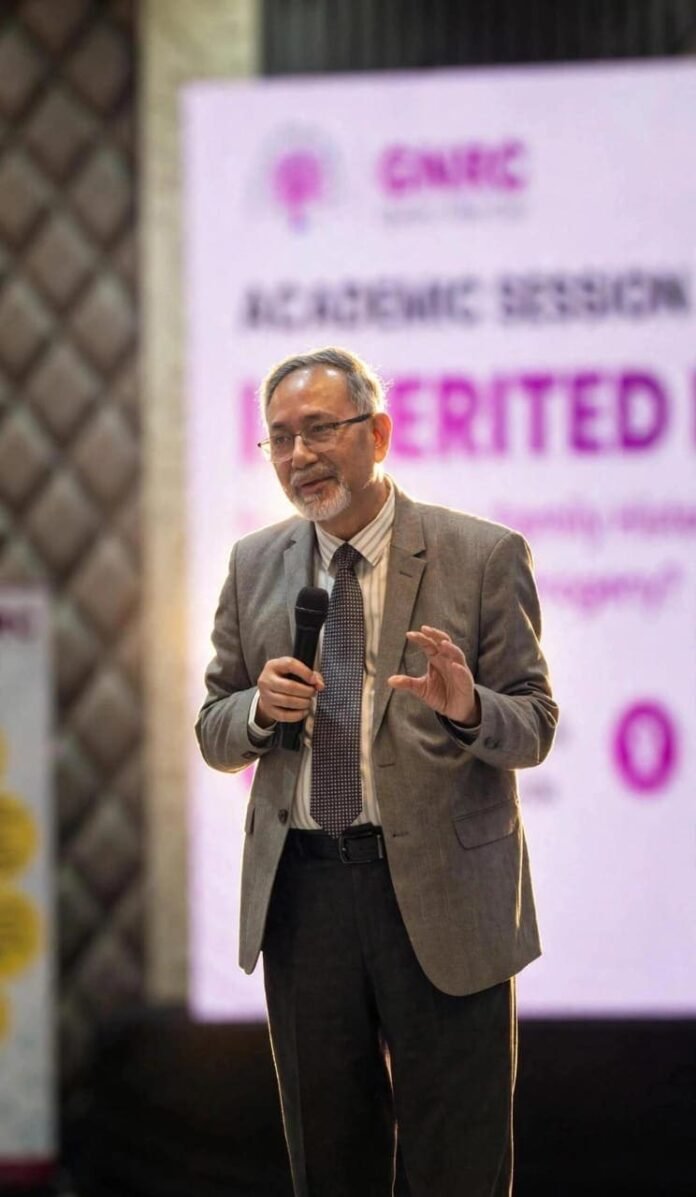


Neurology Experts Discuss Genetic Predisposition, Family History and the Importance of Early Diagnosis at GNRC Sixmile
Guwahati, November 17, 2026: Highlighting the importance of scientific awareness and informed conversations about neurological disorders, GNRC Hospitals, Sixmile, observed National Epilepsy Day 2026 by organising an academic awareness session focusing on the genetic and hereditary aspects of epilepsy.
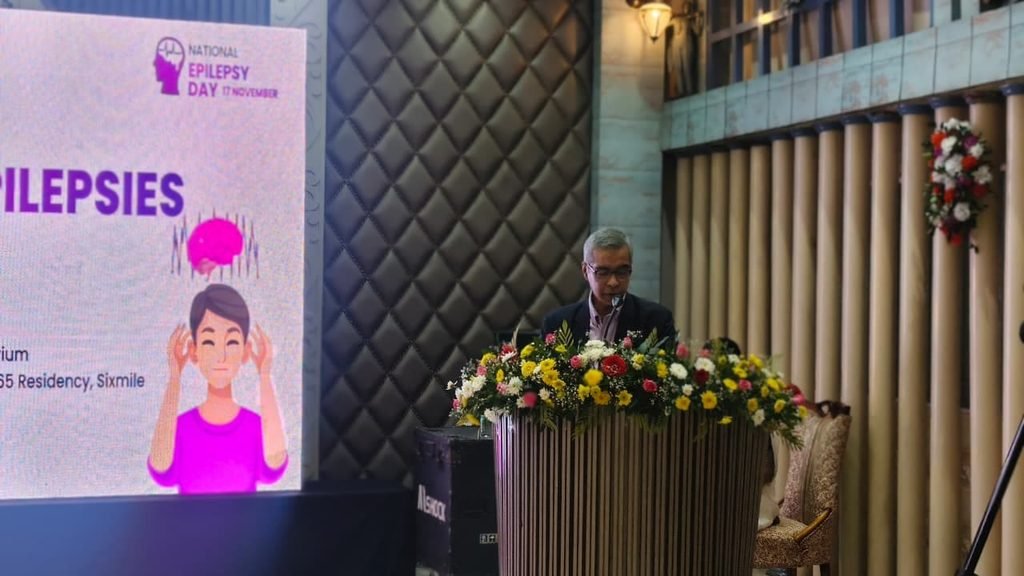
The programme brought together experienced neurologists and medical professionals to discuss the relationship between family history, genetic predisposition and the possibility of epilepsy occurring in future generations. The session aimed to address common misconceptions surrounding inherited epilepsy while encouraging greater awareness of early diagnosis, appropriate medical guidance and compassionate care.
With epilepsy continuing to be surrounded by social misconceptions and stigma, the initiative highlighted the importance of sharing accurate medical information with healthcare professionals, patients and families.
Understanding the Genetic Aspects of Epilepsy
A major highlight of the programme was a specialised lecture delivered by Dr Haseeb Hassan, Neurologist at GNRC Hospitals, titled “Inherited Epilepsies: Does a Positive Family History Mean Epilepsy in Progeny?”
The presentation explored the relationship between inherited genetic factors and the occurrence of epilepsy, particularly examining whether a family history of the condition necessarily indicates that children or future generations will develop it.
The discussion addressed the importance of understanding genetic predisposition and distinguishing between hereditary risk and certainty of developing a neurological condition.
The session encouraged participants to approach questions surrounding inherited epilepsy through scientific evidence and appropriate medical evaluation rather than assumptions or misconceptions.
Expert Panel Brings Academic Perspectives
The academic session was chaired by Dr Marami Das, Professor of Neurology at Gauhati Medical College and Hospital, and Dr Nabajyoti Barkataky, Senior Neurologist at GNRC Hospital, Dispur.
Their participation brought valuable academic and clinical perspectives to the discussion, particularly on the importance of understanding epilepsy through contemporary neurological research and clinical practice.
The interaction provided an opportunity for medical professionals to engage with the subject of inherited epilepsies and discuss the significance of accurate information when counselling patients and their families.
Family History Does Not Necessarily Determine Future Risk
Addressing the session, Dr Prasenjit Deka, Associate Consultant (Neuro) at GNRC Hospitals, Sixmile, highlighted that a family history of epilepsy does not automatically mean that future generations will develop the condition.
He emphasised the importance of understanding the genetic factors involved and seeking appropriate medical guidance when concerns arise.
The discussion reinforced an important message for families: hereditary predisposition and the actual development of a medical condition are not necessarily the same. Individual risk assessment requires appropriate clinical evaluation and, where indicated, specialised investigations.
By addressing these concerns, the programme sought to encourage families to seek reliable medical advice rather than allowing fear or misinformation to influence their decisions.
GNRC Founder Highlights Need to Address Social Stigma
Dr Nomal Chandra Borah, Founder of GNRC Hospitals, highlighted the importance of addressing misconceptions and social stigma associated with epilepsy.
He stressed the need for early diagnosis, appropriate treatment and compassionate care for people living with the condition.
His message underscored that epilepsy should be approached as a neurological health condition requiring medical attention and social understanding, rather than a reason for discrimination or exclusion.
Reducing stigma is particularly important because misconceptions can prevent individuals and families from seeking timely medical support or openly discussing their concerns.
National Epilepsy Day and the Importance of Awareness
National Epilepsy Day provides an opportunity to strengthen public understanding of epilepsy and encourage conversations around diagnosis, treatment and the challenges faced by people living with the condition.
Awareness initiatives can help address myths, improve understanding of neurological health and encourage individuals experiencing seizures to seek appropriate medical evaluation.
The focus on inherited epilepsies at GNRC Sixmile added an important dimension to this year’s observance by addressing questions that frequently arise among families with a history of neurological disorders.
The session also highlighted the role of healthcare professionals in communicating medical information clearly and helping patients make informed decisions about their health.
Encouraging Scientific Conversations and Compassionate Care
The GNRC initiative reflected the importance of combining medical knowledge with community awareness to improve understanding of neurological conditions.
Discussions around genetic predisposition can be particularly sensitive for families, making accurate information and professional counselling essential.
By bringing together experienced neurologists and healthcare professionals, the programme created a platform for scientific knowledge sharing and discussion on an important aspect of epilepsy.
The emphasis on early diagnosis, appropriate treatment and compassionate care also reinforced the need for a supportive environment for people living with epilepsy.
GNRC Reaffirms Commitment to Neurological Health Awareness
Through the National Epilepsy Day awareness session, GNRC Hospitals reaffirmed its commitment to promoting neurological health awareness, encouraging scientific knowledge exchange and addressing misconceptions surrounding epilepsy.
The programme highlighted that a family history of epilepsy should not automatically be viewed as a certainty for future generations. Instead, families should be encouraged to seek appropriate medical guidance and understand individual risk factors.
The initiative also reinforced the importance of building a more informed and empathetic society where people living with neurological conditions can access medical care without fear of stigma or discrimination.
As awareness around epilepsy continues to grow, initiatives such as the one organised at GNRC Sixmile play an important role in connecting medical expertise with public understanding.
The central message of the programme was clear: a family history does not automatically determine the future. Scientific awareness, timely diagnosis and compassionate medical care can make a meaningful difference.