







The bravery of India’s soldiers is well-documented, yet many heroes, especially from the North-East, remain unsung. In her latest book, Men of Steel, acclaimed author Tanushree Podder brings their stories to light. In this exclusive interview, she shares her inspiration, challenges, and hopes for the book’s impact.
Interview with Tanushree Podder on Her Book ‘Men of Steel’
Q&A with Tanushree Podder
Q: What inspired you to write Men of Steel?
Tanushree Podder: The inspiration came from the media coverage of the Kargil War. While some soldiers were honored, many, particularly from the North-East, remained in the shadows. I wanted to highlight the bravery of soldiers like Captain Neikezhakuo Kenguruse, Captain Keishing Clifford Nongrum, and Major Sonam Wangchuk, whose sacrifices deserve recognition.
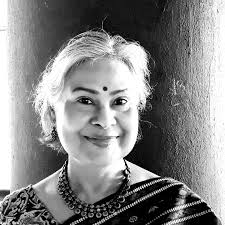
Q: You have a deep connection with the North-East. How has that influenced your work?
Tanushree Podder: Absolutely. I studied at Lady Keane College in Shillong and, as the wife of a retired army veteran who was stationed in Assam, I’ve seen firsthand the strength and resilience of the people from this region. The North-East has a rich military history, with warrior tribes serving in the Assam Rifles, Gorkha Regiment, and Naga Regiment. Their dedication and bravery have always fascinated me.
Q: Why do you think soldiers from the North-East are often overlooked in mainstream narratives?
Tanushree Podder: It’s a combination of lack of media coverage and public awareness. Many people are unfamiliar with the region’s history, culture, and contributions to national defense. I hope my book helps bridge this gap and brings these stories to the forefront.
Q: How important is it to recognize the North-East’s role in India’s security?
Tanushree Podder: Incredibly important. The North-East has made remarkable contributions, both in the military and in sports. Acknowledging their role fosters inclusivity and strengthens national unity. Their sacrifices should not be forgotten.
Q: As an army wife, you have a unique perspective on a soldier’s life. How has that shaped your storytelling?
Tanushree Podder: I’ve witnessed the hardships soldiers face, from remote postings to life-threatening missions. Unfortunately, they are often celebrated only during wars but forgotten afterward. It’s essential to honor them consistently, and I wanted to bring out this aspect in Men of Steel.
Q: What impact do you hope this book will have on young readers?
Tanushree Podder: I want young readers to see these soldiers as more than warriors – as individuals with dreams, families, and immense courage. Their stories should inspire respect, appreciation, and perhaps even a sense of duty towards the nation.
Q: How do you see books like Men of Steel changing the narrative around war heroes?
Tanushree Podder: Books have the power to shape perspectives. A strong military is crucial for national progress, but beyond the weapons and strategy, it’s the soldiers’ character that defines the armed forces. Their stories need to be told, and I will continue to do so.
Final Thoughts
As our conversation draws to a close, Tanushree Podder expresses optimism about the growing recognition of the North-East’s contributions. Men of Steel is her tribute to these brave warriors, ensuring that their legacy is celebrated for years to come.
With increasing representation in the military and beyond, she hopes the book will inspire a new generation to acknowledge and honor the sacrifices made by the men of steel who defend our nation.