







The Ramayana and the Mahabharata are two of the greatest epics in Indian history, deeply embedded in the cultural, religious, and philosophical fabric of the subcontinent. These texts, composed thousands of years ago, continue to shape the moral and ethical perspectives of millions across the world. The stories of Rama, Krishna, Arjuna, and other legendary figures convey profound lessons on duty, righteousness, devotion, and the complexities of human life.
Origins and Composition of the Ramayana and Mahabharata
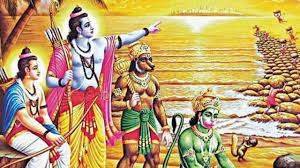
The Ramayana, attributed to the sage Valmiki, is believed to have been composed around 500 BCE to 100 BCE. It narrates the journey of Prince Rama, his exile, the abduction of his wife Sita by the demon king Ravana, and the eventual victory of good over evil.
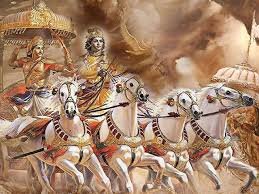
The Mahabharata, traditionally attributed to the sage Vyasa, is an extensive epic that spans over 100,000 verses, making it one of the longest literary works in the world. It centers around the Kurukshetra War between the Pandavas and the Kauravas, offering deep insights into dharma (duty), karma (action), and the nature of existence.
Cultural and Religious Significance
Both epics are not just stories but also spiritual guides that have influenced Hindu beliefs and traditions for centuries. The Ramayana emphasizes ideal virtues—Rama as the perfect king, Sita as the devoted wife, and Hanuman as the epitome of loyalty and strength. Meanwhile, the Mahabharata, particularly through the Bhagavad Gita, explores philosophical and ethical dilemmas, guiding individuals on righteous living.
Influence on Indian Society
The impact of these epics extends beyond religion into art, literature, and governance. Temples, sculptures, dance forms like Kathakali and Bharatanatyam, and theatrical performances like Ramlila bring these epics to life. Furthermore, they have influenced kings and leaders, shaping governance principles based on justice and morality.
Global Influence and Modern Adaptations
Over centuries, the Ramayana and the Mahabharata have crossed geographical boundaries, influencing Southeast Asia, Indonesia, Thailand, and Cambodia, where variations of these stories are deeply ingrained in local traditions. In modern times, these epics have been adapted into television series, films, novels, and even digital storytelling, making them accessible to new generations worldwide.
The legacy of the Ramayana and the Mahabharata remains unparalleled in Indian history. They continue to inspire, educate, and guide individuals on the path of righteousness. Whether through religious devotion, artistic expressions, or philosophical discourse, these timeless epics remain central to understanding Indian culture and spirituality.
ALSO READ: Sacred Rivers of India and Their Cultural Significance