







Yoga, an ancient practice originating from India, has evolved into a global phenomenon, influencing millions worldwide. Known for its holistic approach to health and well-being, yoga integrates physical postures, breathing exercises, and meditation. In recent decades, its popularity has surged, with people from various cultures adopting it as a lifestyle practice. This article explores its origins, its evolution, its worldwide impact, and its significance in modern life.
The Origins
It dates back over 5,000 years to the Indus Valley Civilization. Ancient texts such as the Vedas, Upanishads, and the Bhagavad Gita mention it as a spiritual discipline aimed at attaining self-realization. However, the most detailed compilation of yogic principles is found in the Sutras of Patanjali, written around 200 BCE. This text outlines the eight limbs of yoga, including ethical guidelines (Yamas and Niyamas), physical postures (Asanas), breath control (Pranayama), concentration (Dharana), and meditation (Dhyana), ultimately leading to self-liberation (Samadhi).
Evolution Across Centuries
It has undergone significant transformations, evolving from a spiritual discipline to a mainstream fitness practice. During the medieval period, Hatha Yoga emerged, emphasizing physical postures and breath control to prepare the body for meditation. In the 19th and 20th centuries, Indian yogis such as Swami Vivekananda, Tirumalai Krishnamacharya, B.K.S. Iyengar, and Pattabhi Jois introduced it to the West, making it accessible to a global audience.
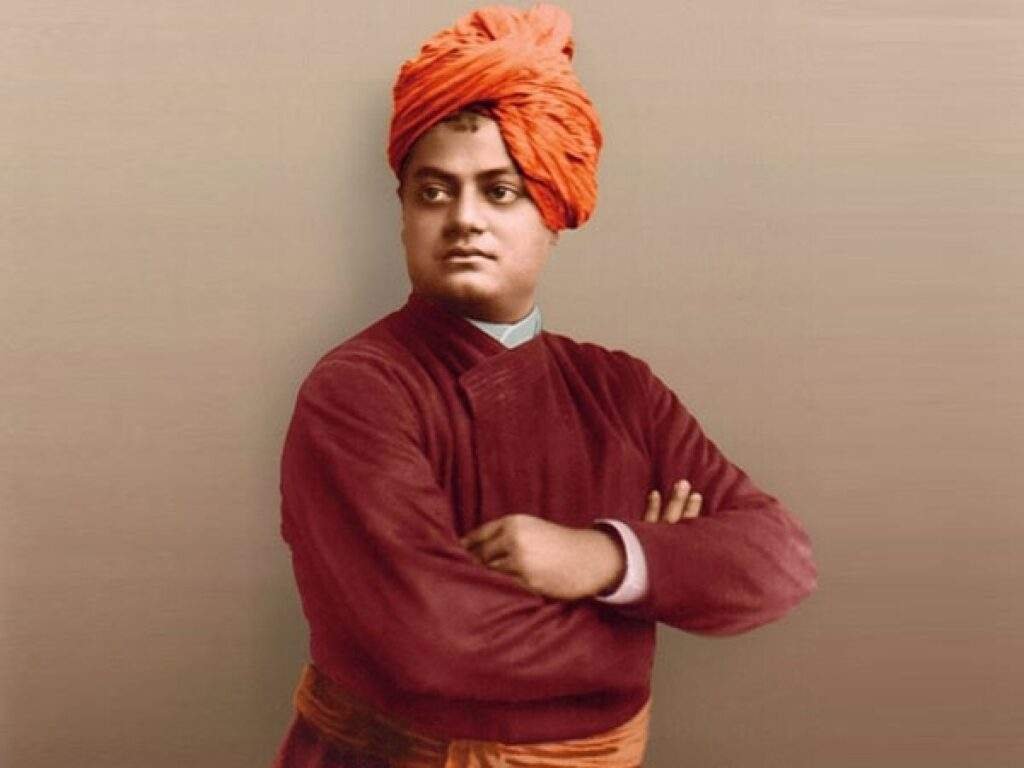
In the modern era it incorporates various styles, including Hatha, Vinyasa, Ashtanga, Kundalini, and Bikram yoga, each catering to different needs and preferences. Today, it is practiced in gyms, studios, schools, and workplaces, making it an integral part of global wellness culture.
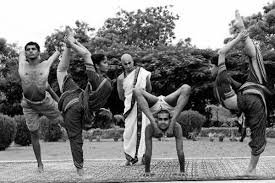
The Global Spread
The 20th and 21st centuries have seen yoga transcend cultural and geographical boundaries. Several factors have contributed to this expansion:
- Western Interest in Eastern Philosophies – Scholars, spiritual seekers, and celebrities in the West have embraced it as a path to self-discovery and wellness.
- Scientific Validation – Research has demonstrated the physical, mental, and emotional benefits, leading to its inclusion in medical and psychological therapies.
- Globalization and Digital Media – Online platforms, social media, and influencers have made yoga accessible to millions worldwide.
- International Yoga Day – Established by the United Nations in 2015, June 21st is now celebrated as International Yoga Day, promoting global participation in the arena.
- Corporate and Educational Adoption – Many companies and schools integrate yoga into their programs to enhance productivity, focus, and overall well-being.
Benefits
It offers numerous benefits, making it one of the most effective mind-body practices. Some key benefits include:
- Physical Health – It improves flexibility, strength, balance, and posture while reducing the risk of chronic conditions such as hypertension, diabetes, and cardiovascular diseases.
- Mental Well-being – Yoga reduces stress, anxiety, and depression by calming the nervous system and promoting mindfulness.
- Spiritual Growth – Many practitioners find yoga a pathway to self-awareness and inner peace.
- Improved Focus and Productivity – Regular practice enhances concentration, decision-making, and overall cognitive function.
- Better Sleep – Yoga and meditation promote relaxation, reducing insomnia and improving sleep quality.
In Different Cultures
While it originated in India, various cultures have adapted and modified it according to their needs.
- United States & Europe – It has become a billion-dollar industry, with studios, retreats, and teacher training programs flourishing. Many fitness centers integrate it into their wellness programs.
- China & Japan – It is widely practiced for its health benefits, with traditional Chinese medicine incorporating yoga techniques for holistic healing.
- Middle East & Africa – Although cultural restrictions exist in some regions, it is growing in popularity, particularly among women seeking stress relief and physical fitness.
- Latin America – It is becoming a part of daily life, with many countries embracing it as a way to balance modern stressors.
Yoga and Technology
The digital era has significantly influenced its reach. Online classes, mobile apps, and social media have made it accessible to everyone, regardless of location. YouTube channels, Instagram influencers, and wellness blogs offer free tutorials, guiding beginners and advanced practitioners alike.
Challenges and Controversies
Despite its widespread acceptance, it faces challenges:
- Commercialization – Some argue that yoga has become overly commercialized, losing its spiritual essence.
- Cultural Appropriation – The Western adaptation of yoga sometimes disconnects it from its Indian roots, sparking debates on authenticity and respect.
- Misinterpretation of Practices – Many people focus solely on the physical aspect of yoga, neglecting its deeper spiritual and meditative dimensions.
Its influence has expanded beyond its origins, becoming a global symbol of health, peace, and mindfulness. While modern adaptations have altered some aspects, its core philosophy remains relevant in today’s fast-paced world. Whether practiced for fitness, mental clarity, or spiritual growth, it continues to unite people across cultures, promoting harmony and well-being worldwide.
ALSO READ: Sacred Rivers of India and Their Cultural Significance