







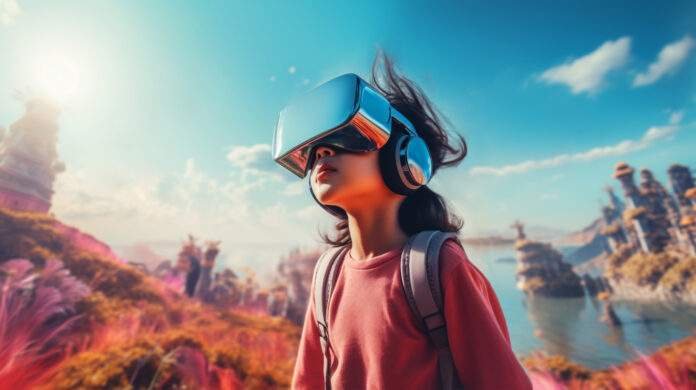



The world has witnessed a significant shift in the way people experience travel, particularly in the wake of the global pandemic. This shift has given rise to a new trend in the tourism industry—virtual tourism. As a country rich in cultural heritage and diverse landscapes, India has embraced this digital transformation, offering virtual tours that allow people to explore its historical sites and cultural treasures from the comfort of their homes. The focus keyword for this article is “virtual tourism in India.”
A New Era of Exploration
Virtual tourism in India is not merely a temporary solution to travel restrictions; it is a burgeoning sector poised to revolutionize the tourism industry. By leveraging advanced technologies such as virtual reality (VR), augmented reality (AR), and 360-degree video tours, virtual tourism offers immersive experiences that bring India’s cultural heritage to life. From the majestic Taj Mahal to the ancient temples of Khajuraho, digital platforms now provide an accessible gateway to India’s iconic landmarks.
Accessibility and Inclusivity
One of the most significant advantages of virtual tourism is its ability to democratize travel. People with physical disabilities, financial constraints, or time limitations can now explore India’s cultural sites without the need to navigate logistical hurdles. Virtual tourism bridges gaps and makes cultural heritage accessible to a broader audience, fostering inclusivity and a deeper appreciation of India’s rich history.
Engaging Digital Experiences
Virtual tourism in India offers more than just passive viewing. Interactive elements such as guided tours, live streaming events, and educational modules enhance the experience. For instance, virtual visitors can take a guided tour of the Ajanta and Ellora Caves, learning about the intricate carvings and historical significance from expert narrators. These engaging digital experiences ensure that users remain captivated and informed, transforming how cultural heritage is consumed and appreciated.
Preservation and Education
Virtual tourism also plays a crucial role in the preservation and education of India’s cultural heritage. Digital archives and virtual reconstructions of ancient sites serve as valuable resources for historians, archaeologists, and educators. These digital representations can help in the preservation efforts of fragile sites by reducing foot traffic and physical wear. Additionally, virtual tourism provides educational institutions with innovative tools to teach students about India’s history, art, and culture in an interactive and engaging manner.
Boosting the Tourism Industry
While traditional tourism suffered a setback during the pandemic, virtual tourism has provided a much-needed boost to the industry. Local businesses, tour operators, and cultural institutions have embraced digital platforms to reach a global audience. This shift has opened new revenue streams and marketing opportunities, helping the tourism sector recover and adapt to changing consumer preferences. Furthermore, virtual tourism can serve as a teaser for potential travelers, inspiring them to visit the physical sites in the future.
Success Stories and Future Prospects
Several virtual tourism initiatives in India have already garnered significant attention and success. The Archaeological Survey of India (ASI) has launched virtual tours of UNESCO World Heritage Sites, including the Red Fort and Qutub Minar. Private companies and startups are also developing innovative virtual tourism solutions, such as VR experiences of Rajasthani palaces and Kerala’s backwaters.
Looking ahead, the future of virtual tourism in India appears promising. Continued advancements in technology, coupled with increasing internet penetration and smartphone usage, will further enhance the quality and accessibility of virtual tours. Collaboration between the government, cultural institutions, and private sector will be crucial in developing and promoting these digital experiences.
Conclusion
The rise of virtual tourism in India marks a transformative shift in how people explore and engage with cultural heritage. By making India’s rich history and iconic landmarks accessible to a global audience, virtual tourism not only preserves and promotes cultural heritage but also offers an inclusive and immersive travel experience. As technology continues to evolve, virtual tourism is set to become an integral part of the tourism industry, providing endless possibilities for exploration and education. Embrace the digital revolution and embark on a virtual journey through India’s cultural heritage today.
Also read: Rising Food Prices Push India’s Retail Inflation Rate Beyond 5%