








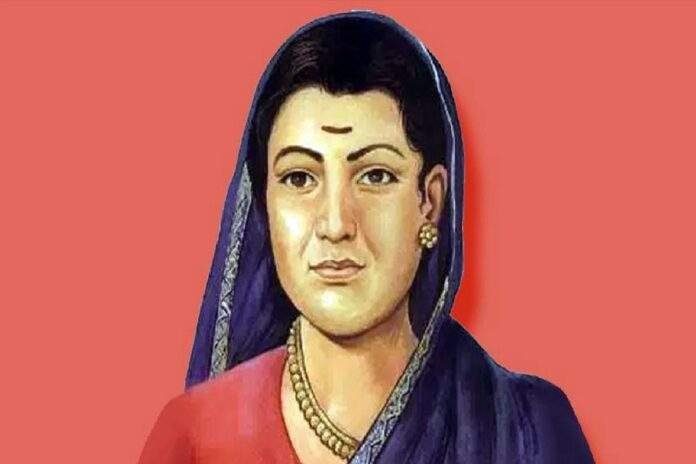



Savitribai Phule stands as a towering figure in Indian history, a pioneer whose contributions to women’s education and social reform in the 19th century left an indelible mark on the country’s progress.
Savitribai Phule: Pioneer of Women’s Education
Born into a society deeply entrenched in caste and gender discrimination, she, along with her husband Jyotirao Phule, embarked on a revolutionary journey to challenge these oppressive structures. Her life and work have inspired generations and continue to resonate in contemporary India.
Early Life and Marriage
Savitribai Phule was born on January 3, 1831, in Naigaon, a small village in Maharashtra. She hailed from the Mali community, which was considered a lower caste. Her early life was marked by the typical restrictions imposed on women of her time, but her marriage to Jyotirao Phule in 1840 became a turning point. Jyotirao, a visionary social reformer, recognized Savitribai’s potential and encouraged her to pursue education.
Despite facing vehement opposition from society, Jyotirao began teaching Savitribai to read and write at home. This was a radical act, as education for women, especially from lower castes, was virtually unheard of. Savitribai’s determination and Jyotirao’s unwavering support laid the foundation for their lifelong mission of social reform.
Pioneering Women’s Education
In 1848, the Phules established the first indigenously-run school for girls in Pune, marking a historic moment in the fight for women’s education in India. Savitribai became the first female teacher of the school, breaking countless societal norms and barriers. The school started with just nine students, but it symbolized a significant challenge to the patriarchal and casteist society of the time.
Savitribai faced severe backlash for her efforts. She was often heckled and abused by orthodox elements who opposed the education of women. Stones and dung were thrown at her as she walked to school, but these acts of violence only strengthened her resolve. She carried an extra sari with her to school, knowing that she might need to change after such attacks.
The Phules’ commitment to education extended beyond girls. They also established schools for children from the marginalized Dalit and Bahujan communities, who were denied education by the prevailing caste system. Savitribai’s efforts ensured that education became a tool for social upliftment and empowerment for all oppressed sections of society.
Advocacy for Social Reforms
Savitribai Phule’s contributions were not limited to education. She was deeply involved in various social reform movements initiated by Jyotirao. Together, they worked to eradicate social evils such as child marriage, sati (the practice of widow immolation), and caste discrimination. Savitribai also championed the rights of widows and women subjected to sexual exploitation.
In 1852, the Phules established the “Mahila Seva Mandal” to create awareness among women about their rights and provide a platform for them to voice their concerns. Savitribai organized meetings where women could discuss issues affecting their lives and work towards collective solutions. This initiative was instrumental in mobilizing women and fostering a sense of solidarity and empowerment.
One of their most notable contributions was the establishment of the “Balhatya Pratibandhak Griha” (Infanticide Prohibition Home) in 1863. This refuge provided shelter and support to pregnant widows and victims of sexual exploitation, who were often ostracized by society. It helped them deliver their children safely and gave them a chance to rebuild their lives with dignity.
Literary Contributions
Savitribai Phule was also a prolific writer and poet. Her literary works reflect her deep empathy for the oppressed and her commitment to social justice. She used her writings as a medium to raise awareness about the issues faced by women and lower-caste communities.
In 1854, she published her first collection of poems, “Kavya Phule,” which highlighted the plight of women and the marginalized. Her writings were characterized by a powerful critique of the societal norms that perpetuated discrimination and oppression. Savitribai’s poems also celebrated the potential of education to transform lives and urged women to seek knowledge as a means of empowerment.
Legacy and Impact
Savitribai Phule’s legacy is profound and far-reaching. Her pioneering efforts laid the groundwork for subsequent movements advocating for women’s rights and social justice in India. She is often referred to as India’s first feminist icon, and her life continues to inspire activists and reformers across the country.
The government of India and various educational institutions have recognized her contributions by naming schools, universities, and awards in her honor. Her birthday, January 3rd, is celebrated as Balika Din (Girl Child Day) in Maharashtra, acknowledging her role in championing girls’ education.
Savitribai Phule’s life story also underscores the importance of allyship in social movements. Her partnership with Jyotirao Phule exemplifies how support and collaboration can amplify the impact of social reform efforts. Together, they challenged the entrenched norms of their society and created pathways for future generations to follow.
Conclusion
Savitribai Phule’s journey from an illiterate girl in a small village to a pioneering educator and social reformer is a testament to her extraordinary courage and determination. Her relentless fight against gender and caste discrimination, her unwavering commitment to education, and her advocacy for women’s rights have left an indelible mark on Indian society.
In a world still grappling with issues of gender inequality and social injustice, Savitribai Phule’s life and work serve as a beacon of hope and inspiration. She reminds us that change is possible through education, resilience, and the courage to challenge oppressive systems. Her legacy continues to guide and inspire the ongoing struggle for a more equitable and just society.
ALSO READ: FAMOUS FEMINIST APARNA DUTTA MAHANTA FROM ASSAM PASSES AWAY AT 75